Why the Humble Greeting Card Is a Heavy Lifter in Small Shops

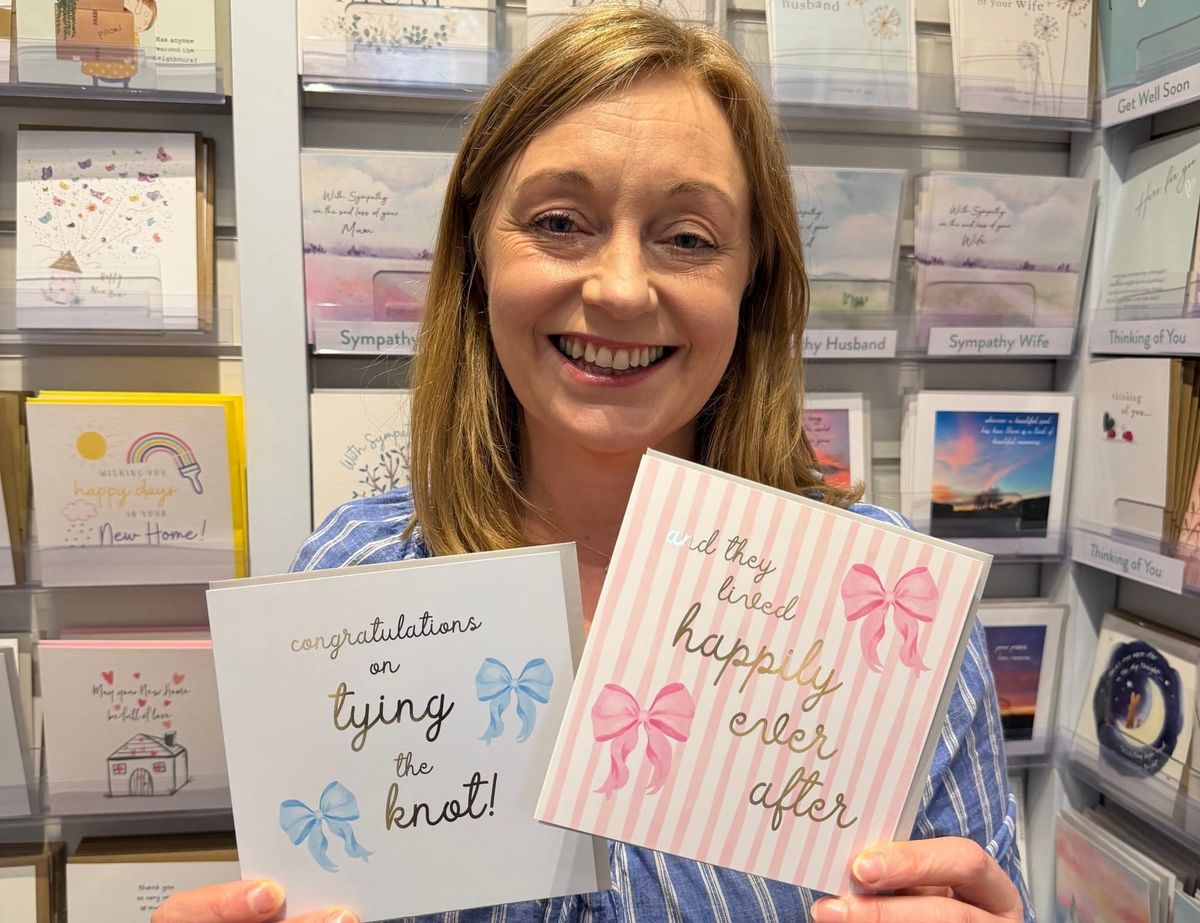
“And I only came in for a card!”
It’s one of the most common phrases we hear in our shop and honestly, we love hearing it. Because experienced shopkeepers know something many people outside retail don’t. Cards are very rarely just cards.
The humble greeting card quietly does an enormous amount of heavy lifting in independent retail. Far more than most customers realise. A card might only cost a few pounds, but the role it plays inside a small shop is huge. Cards bring people through the door regularly. Not once a season. Not once a year. Constantly.
Birthdays.
Thank yous.
Anniversaries.
New babies.
Bereavements.
Weddings.
Exams.
Retirements.
Little moments of encouragement.
Life keeps happening and cards are often how people acknowledge it. That matters enormously in a physical shop.
Because once someone walks through the door for a card, something else often happens too. They slow down. They browse.
They spot a candle that would go perfectly with the card.
A little bracelet for a friend.
A mug that makes them laugh.
Gift wrap.
A Jellycat.
A pair of socks.
Something for themselves.
The card was the beginning, not the end.
And that’s why cards are such powerful products in small shops. They create gentle, low pressure reasons for people to visit regularly. There’s very little resistance to buying a card.
People don’t usually stand outside debating whether they “deserve” a card. A card feels reasonable. Necessary. Thoughtful. Affordable.
It gently lowers the barrier to entering the shop in the first place.
And once customers are inside a beautiful, welcoming environment, independent retailers get the chance to do what we do best: create discovery.
That tiny rectangle of cardboard has suddenly become the gateway to a much bigger experience. Cards also do something deeper. They put people into an emotional mindset.
Someone choosing a card is already thinking about another human being. They’re reflecting on relationships, memories, humour, kindness, love, grief or celebration. That emotional openness naturally connects with gifting. It’s very different from transactional shopping.
A greeting card is rarely bought with complete emotional detachment. Even funny cards carry meaning underneath them. People want to feel seen. Understood. Connected.
And perhaps that’s why cards have survived every prediction of their death.For years, people have said cards would disappear because of texts, WhatsApp and social media. Yet people still come into shops looking for the perfect card. Why Because physical cards represent effort.
They say:
“I stopped.”
“I thought about you.”
“I chose this.”
“You matter enough for me to do something tangible.”
In a world of instant messages and disappearing notifications, that actually feels more valuable, not less.
And from a retail perspective, cards help hold entire shops together.
They drive repeat footfall.
They encourage linked purchases.
They support seasonality.
They help customers form habits around visiting your shop.
They bring people back through the door again and again.
In our own shop, cards are what I’d call a mission anchor.
If customers can’t find the right card, they often leave quickly. But when they do find the right card, they relax. They stay longer. They browse more openly. The card creates the opportunity for everything else.
And I think many independent retailers instinctively understand this, even if we don’t always articulate it out loud.
Cards may not always look glamorous compared to giant trend-led gift launches or flashy viral products, but quietly and consistently, they carry an enormous amount of weight. A heavy lifter hidden in plain sight.
Sometimes the smallest products are doing the biggest jobs.