What Happens to the Nation of Shopkeepers When the Shops Disappear?

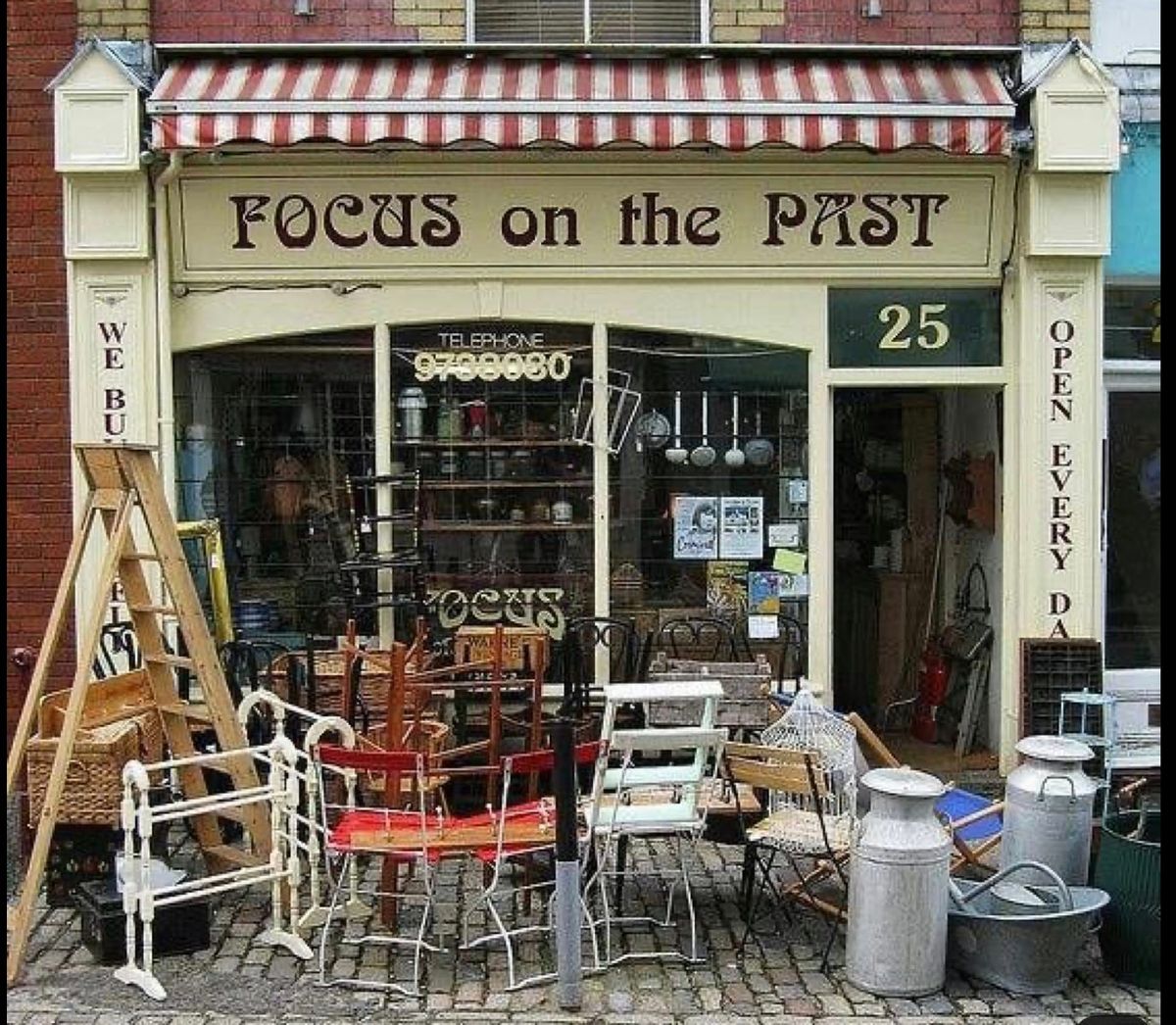
Famously, Britain was once described as “a nation of shopkeepers.”
It’s one of those phrases that sounds slightly old-fashioned now, almost nostalgic. But I think there was something important inside it. Because Britain was not built on giant corporations or vast retail parks. It was built on market towns, shopping streets, family businesses, corner shops, bakers, department stores, card shops, cafés and independents of every kind.
And whether you run a shop or not, I think it’s worth asking: What happens to a nation of shopkeepers when all the shops start disappearing? More importantly, what disappears with them?
Because despite what many people assume, this conversation is not really about shopping. It’s about quality of life. It’s about whether people still have pleasant, interesting places to walk around and spend time in. Places with atmosphere, colour, personality and human interaction.
A thriving high street creates something that is surprisingly difficult to measure on a spreadsheet: a feeling.
You notice the difference immediately when a place is alive. People slow down. They browse instead of rushing. They stop to look in windows. They make eye contact, maybe exchange a smile with a stranger. Children spend their pocket money. Someone wanders into a card shop “just for a card” and comes out twenty minutes later with gifts, wrap and a conversation they didn’t expect to have. There’s movement, curiosity and spontaneity.
These things sound small, but they are not small. They are part of the texture of everyday life. And I think many people are only just starting to realise how much they matter.
Occupied Isn’t the Same as Alive
One thing that strikes me more and more is that a high street can technically be “full” and still feel completely dead. We all know the feeling. Units occupied. Lights on. Signs above the doors. Yet somehow the place feels flat, transactional and joyless. No warmth. No atmosphere. No sense of identity or discovery.
Then you visit somewhere with thriving independent businesses, thoughtful shop windows, cafés spilling onto pavements, flowers outside doorways and people wandering slowly rather than marching with tunnel vision, and the whole atmosphere changes.
The place feels human again. That is not accidental. Independent shops do not simply sell products. They shape the emotional experience of a place. They create texture, rhythm and personality. They give people reasons to linger rather than simply transact. And I think that distinction matters far more than we often acknowledge.
Shopkeeping Is a Craft and an Art Form
I also think Britain has massively undervalued the skill of good shopkeeping itself. Because good shopkeeping is both a craft and an art form. The craft is in understanding customers, choosing products well, pricing correctly, managing seasonality, creating flow and constantly adapting to changing behaviour. The art is in the atmosphere: the colours, the displays, the lighting, the storytelling, the theatre and the tiny details that make a place feel welcoming and memorable.
A truly good shop is carefully composed. It reflects judgment, taste, observation and care. And perhaps that is partly why independent shops matter so much psychologically. They are shaped by human instinct rather than algorithms. Algorithms optimise for efficiency and predictability. Independent shops create surprise, discovery and individuality. That difference matters more than we think.
More Than an Economic Issue
For years, conversations about high streets have focused almost entirely on economics. Footfall. Vacancy rates. Business rates. Online competition. Conversion. Of course those things matter. Shops need to survive financially. But I think we have missed something even bigger in the process.
Small shops contribute socially and culturally too. They create atmosphere, beauty, interaction and belonging. They help shape the identity of towns and communities. Without them, places begin to feel interchangeable. And once places lose their distinctiveness, people often lose their emotional connection to the place and th people too. Without high streets, there is no where for people to gather. No communal space where people of all ages can come and just be together.
Humans are not designed to exist entirely online. We need places to go. Places to wander. Places where we unexpectedly bump into friends, discover things and feel part of public life rather than isolated from it. That is one reason why the decline of the high street feels so emotional to people, even if they struggle to articulate why.
Other Countries Understand This Better
Some European countries seem to understand this more instinctively than we do. In places like Denmark, town and city centres are often designed around human experience rather than pure convenience. Walkability matters. Public space matters. Independent cafés and shops matter. People are encouraged to linger rather than simply buy something and leave.
Likewise, many French towns fiercely protect markets, cafés and independent businesses because they are viewed as part of cultural life, not just commercial activity. And honestly, I think Britain used to understand this too.
We built market towns, arcades and shopping streets full of personality and eccentricity. Places that reflected local character and pride. Somewhere along the way, we started talking about high streets almost entirely in terms of efficiency. But efficiency alone does not create places people actually enjoy spending time in.
What Kind of Britain Are We Building?
This is the real question underneath all of this. What kind of places do we actually want to live in? Because if every town becomes identical, transactional and convenience-driven, then Britain itself starts to feel different. Flatter somehow. Less human. Less alive.
The encouraging thing is that people clearly still care. You can see it in the popularity of market towns, independent cafés, bookshops, bakeries and small businesses that create genuine atmosphere and experience. People are craving places with character. Places that feel real. That tells me this story is not over yet.
This summer, perhaps we should spend a little more time appreciating the businesses and places that still make life feel richer, warmer and more human. Because small shops are not just businesses. They are part of the scenery of our lives. And once they disappear, we may realise far too late how much they were quietly holding together.