The Rise of Experience led retail

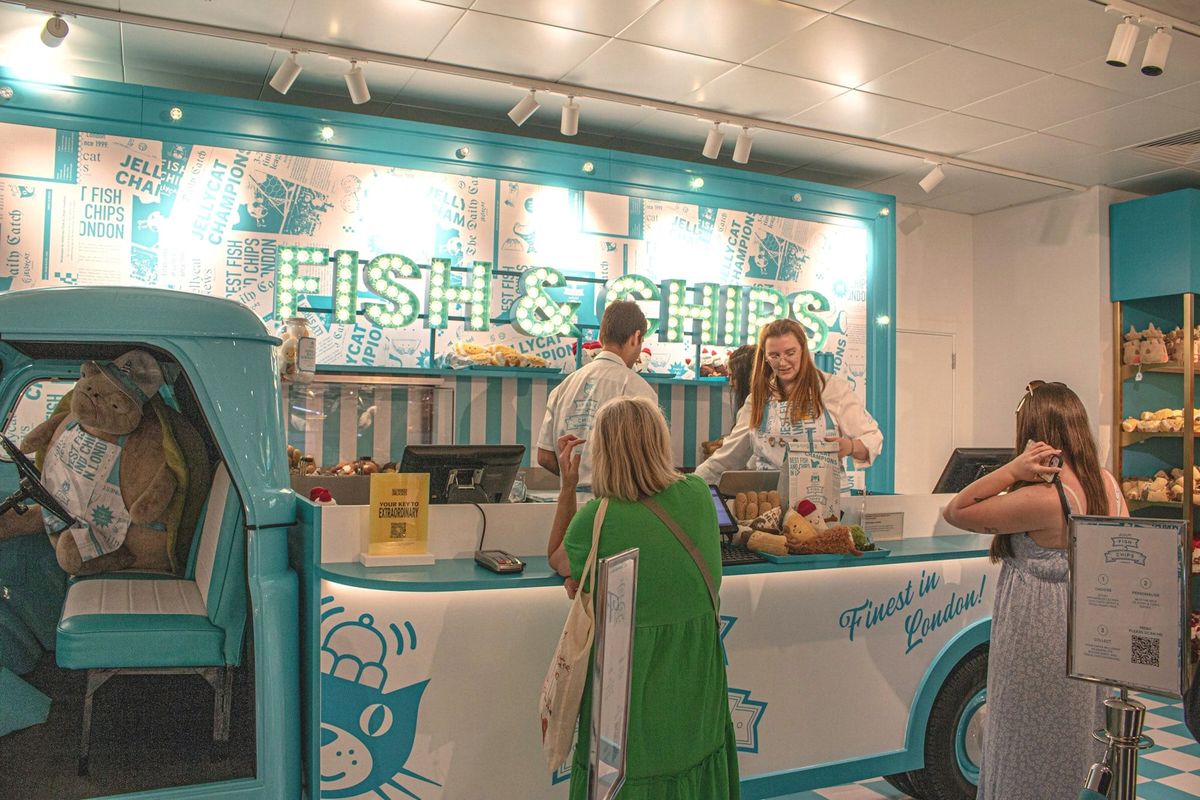
Retail Shopping used to be about acquisition. You went out for a thing, found it, paid for it, and left. Now, in many of the most interesting corners of retail, the thing itself is no longer quite enough. Stores are being asked to entertain, reassure, instruct, flatter and provide a story worth telling later. What was once a transaction has become, with varying degrees of charm and desperation, an experience whether you like it or not...
The Shop as Stage
This shift did not appear out of nowhere. Online retail made convenience ordinary, and once convenience becomes invisible, physical shops have to offer something else. A website can be quicker, cheaper and infinitely stocked. A shop can only win by being memorable. That has led to a new kind of store design, one part theatre, one part hospitality. There are running shops with treadmills and gait analysis, beauty stores with treatment rooms, bookshops with wine bars, fashion boutiques that feel like domestic interiors arranged for an especially tasteful dinner party. Even the fitting room has been recast, with better lighting, call buttons, curated playlists and staff trained to act less like clerks and more like attentive hosts. The best examples understand mood as a retail tool. They know that scent, sound and conversation can shape purchasing just as effectively as price. A customer does not simply browse. They enter an atmosphere.
Beyond the Product
Experience-led retail is often discussed as if it were a novelty, but in truth it revives something older. The traditional independent shopkeeper often knew this instinctively. People returned not just for goods, but for recognition, advice and the faintly flattering sense that their preferences had been noticed. What has changed is the degree of self-consciousness around it. Now experience is strategised, branded and carefully lit for Instagram. Some of it is generous and well judged. Some of it feels like an anxious performance, as if every purchase must be wrapped inside an event to justify leaving the house. There is a thin line between atmosphere and gimmickry. Consumers are alert to that distinction. They can tell when a workshop, tasting or in-store service genuinely deepens the relationship to the product, and when it has been bolted on by a consultant with a slide deck. A bakery teaching bread classes may feel like a natural extension of its craft. A mattress showroom offering mindfulness sessions can sound like satire. Still, the instinct is understandable. Retailers are under pressure from rising costs, softened loyalty and the endless comparability of online shopping. Experience offers a way to become less interchangeable. If customers can buy almost anything anywhere, the store has to give them a reason to remember this place in particular.
The Independent Advantage
This is where independents often hold the stronger hand. Large chains can spend heavily on immersive fit-outs and polished service rituals, but they often struggle to create surprise. Too much standardisation drains the life out of the idea. An experience that has been rolled out nationally tends to feel exactly like that. Independent retailers can be more fluid. They can host a supper club in the back room, invite a local ceramicist in for a weekend residency, turn a product launch into a neighbourhood gathering rather than a campaign asset. Their strength is not scale but specificity. There is also something more convincing about experience when it grows from the personality of the owner or the habits of the street. A greengrocer with a Saturday tasting table, a record shop with intimate live sets, a menswear store that offers alterations and long conversations about cloth. These do not feel like retail trying on culture. They are culture, in a modest local form. That matters because shoppers are not just buying products. They are buying confidence, identity and a sense of participation. The store becomes a small social arena, a place where taste is rehearsed and belonging is quietly offered.
What People Really Want
Not every customer wants a performance. Sometimes people simply need socks, bin liners or a new phone charger, and no quantity of ambient lighting will alter that fact. Experience-led retail can become exhausting when it forgets the dignity of usefulness. The smartest retailers know when to dial it up and when to stay out of the way. Experience is not the opposite of efficiency. It works best when service feels intuitive rather than elaborate, when the pleasure of the space supports the purchase rather than delaying it. What people seem to want, finally, is not spectacle but feeling. A sense of ease. A touch of discovery. The pleasure of being somewhere with a point of view. In an age of endless scrolling and frictionless checkout, that may be the quiet opportunity for shops: not to compete with the internet on its own terms, but to remind us that buying something can still feel like being somewhere.
Love creating experiences in your shop or find it a chore? Let me know in the comments below...
Sophie