Does Faire Marketplace spell the end of the Trade Fair

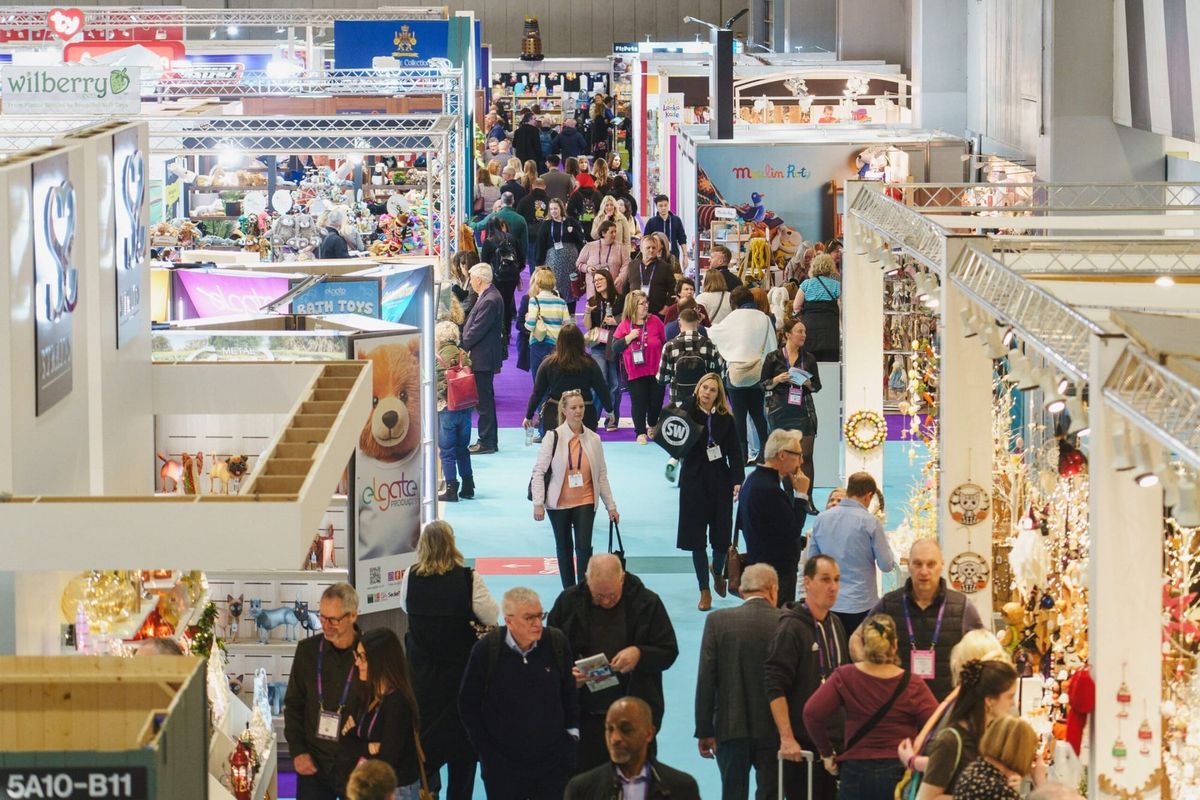
Does Faire Marketplace Spell the End of the Trade Fair? For generations, the trade fair has been one of retail’s great rituals: the early train, the sensible shoes, the coffee drunk too quickly in a cavernous hall, the chance encounter that turns into next season’s best seller. Now that wholesale marketplaces like Faire have made product discovery possible from a laptop, often in minutes, it is reasonable to ask whether the old format is beginning to look less essential. The answer is not quite yes, but it is no longer comfortably no...
The convenience question
Faire did not invent wholesale buying, but it changed the tempo of it. A shopkeeper can browse hundreds of brands between serving customers, place a cautious opening order, and test a category without the cost of travel, hotels or a day spent away from the till. For small independents, that matters. There is also the way that platforms democratise access. A retailer in a Highlands market town can now discover the same ceramics studio or candle brand as a buyer in London, Paris or New York. The old geography of wholesale, where new discoveries were dependent on being physically in the hall, has loosened. That convenience comes with a psychological shift. Buying online can feel less ceremonial and more continuous. Instead of making a few large, high-stakes decisions at seasonal fairs, retailers can make smaller calls more often. Reorder faster. Experiment more. Retreat quickly if something doesn’t move. For a lot of shops, that is not a minor improvement. It is a different operating model.
What fairs still do better
Yet the trade fair has never been just a vending machine for stock. At its best, it is a stage set for instinct. You notice scale properly. You feel finish and weight. You see how a founder speaks about their own line when they are tired, enthusiastic, slightly nervous. All of this becomes part of the buying decision. There is also the value of compression. At a fair, an entire sector gathers in one place and retailers can compare, recalibrate and sharpen their eye quickly. Trends become visible not because an algorithm serves them up, but because they repeat across aisles, colours, materials and moods. You leave with a more textured sense of where taste is moving. Then there is the social fact of it. Independent retail can be lonely work. Trade fairs offer gossip, reassurance, professional recognition and the odd useful complaint over bad sandwiches. These things sound incidental until they disappear.
A different kind of pressure
Still, digital marketplaces are not simply replacing fairs. They are changing what fairs have to justify. When basic discovery and routine ordering happen online, the physical show can no longer rely on habit alone. It has to offer theatre, edit, hospitality and genuine encounter. Rows of interchangeable stands under strip lighting feel harder to defend when a retailer could have stayed home and clicked through the same categories in less time. This is already visible in the fairs that feel most alive. They are more curated, more design-conscious, more aware that buyers want perspective rather than volume. The strongest events now behave a little less like warehouses and a little more like magazines in three dimensions. They frame taste. They create context. Brands feel the pressure too. On Faire, they are judged in a brutally direct way: photography, pricing, terms, reviews. At a fair, charm and presence can still help. But even there, buyers are arriving with online habits, expecting clarity and speed. The romance of discovery is still welcome. Friction is not.
Ritual, revised
So no, Faire does not quite spell the end of the trade fair. It does something more interesting. It strips away the parts that were merely procedural and leaves the live event to prove its deeper worth. That may be healthy. Retail has too many inherited rituals that survive because nobody wants to be the first to admit they are tired. The fairs that endure will be the ones that understand they are not competing with the internet on efficiency. They are competing on atmosphere, inspiration and the special energy created by a large group of people all engaged in the same activity. In the end, a marketplace like Faire is very good at helping shopkeepers buy. A trade fair, on a good day, helps them remember why they chose to be shopkeepers in the first place.