What Archaeology Taught Me About Buying For My Shop (And You Can Use Too)


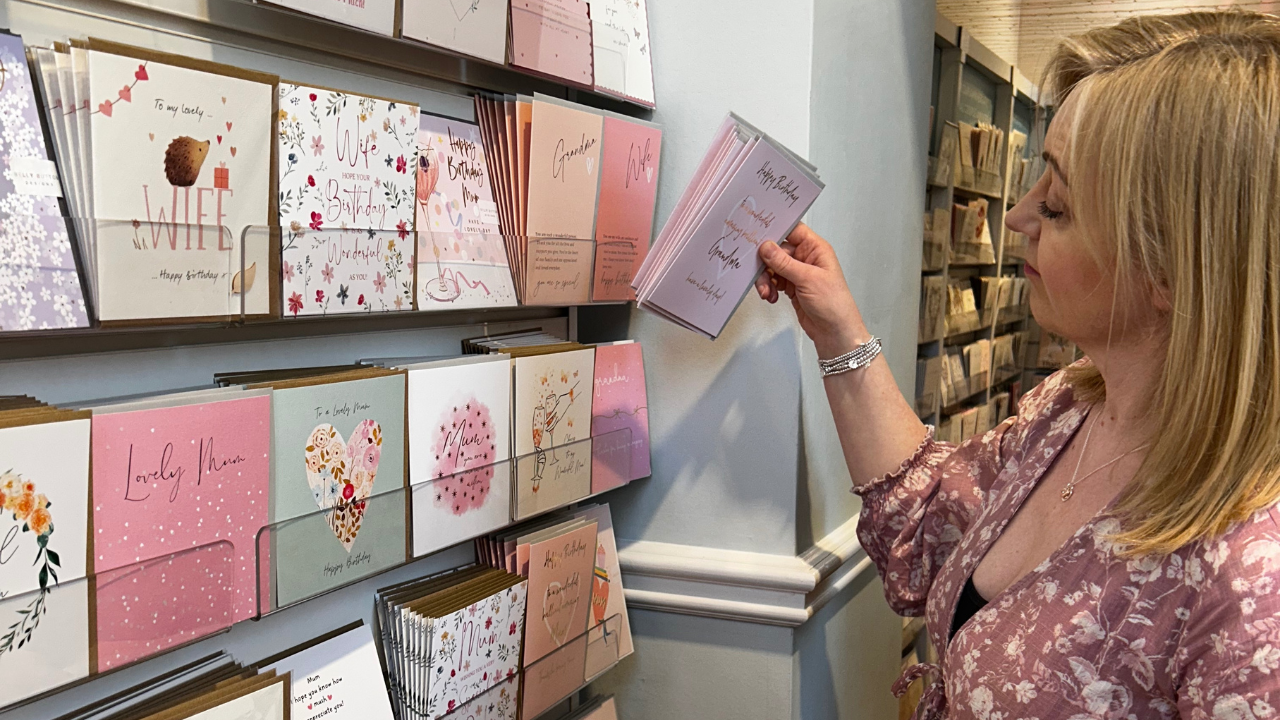
Why great shopkeepers are actually modern-day archaeologists
People think archaeology has nothing to do with retail - but they’re wrong. Being a shopkeeper might not sound like detective work - but it is. We’re constantly gathering clues, watching behaviour, interpreting signals, and trying to piece together what our customers are really telling us.
Back in 1993 I set off for the University of Sheffield to study Archaeology and Prehistory. My family had opened our shop, gallery and cafe a year before, and I’d got heavily involved right from the start. However, I had no clue that retail could be my career at that stage. Things turned out in a different way than I’d expected and I’ve been a shopkeeper pretty much since my graduation!
To the outside observer, you’d think my degree was pretty useless to me now but thats not actually the case. In fact, I use my archaeology degree every single day in the shop. Buying, for me, is like reverse archaeology: instead of uncovering what people once valued, I use all those skills to predict what they’ll want now and choose the right objects to help them express that.
If you’re a shopkeeper who wants to get smarter about your buying decisions, this post is for you. Think of it as a crash course in decoding your customers using clues, layers, and stories - just like an archaeologist would.
🧠 People First, Always
Archaeologists start with people, not things. We study context: who were they, what mattered, how did they live?
Retailers should do the same. When buying, ask:
- Who are my customers right now?
- What do they want to feel?
- What are they celebrating, fearing, navigating?
Buying is not about your taste. It’s about reading theirs - through observation, empathy, and curiosity.
📚 Read the Layers Like a Stratigraphy
In archaeology, a single object means little without its layers, the context is everything.
Sales data works the same way. Don’t only look at bestsellers, important as they are. take a moment to zoom out and uncover a bit more:
- What sold last year vs now?
- Are average price points rising?
- Is sentimentality on the rise?
Recognising patterns is where the real insight lies.
💬 Objects Are Emotional Anchors
People buy meaning, not things.
Just like ancient pottery or jewellery, modern gifts are emotional triggers. They help us say:
- “I saw this and thought of you.”
- “I believe in you.”
- “I’m still here, even if I can’t be there.”
- “You’re important to me”
Great buying taps into this and that’s what makes your shop powerful.
🎨 Be a Storyteller, Not Just a Stockist
A beautiful product means nothing without a story.
Buying and merchandising must work together. Curate your collections in a way that says something. Tell the customer what this item is for - not just what it is.
✅ Free Tools for Smarter Buying
Want to sharpen your buying instincts? Try these:
- Study the ‘stratigraphy’ of your sales: Compare now to 6 and 12 months ago.
- Track overheard comments: Keep a notes file on customer observations and hesitations.
- Observe in silence: Watch what catches attention, not just what sells.
- Curate by story: Think “Heading off to Uni,” not “Mugs and Candles.”
- Think emotions, not items: Buy to help people say something with their gift.
My archaeology degree didn’t take me away from the real world - it taught me how to read it better.
Being a smart buyer is about curiosity, context, and care. It’s not guesswork. It’s a trained instinct, a honed perspective, and a huge competitive advantage when done well.
Want more insights like this?
Explore my Smart Shopkeepers Club - the only resource hub made just for indie retailers.
Every display, every buying decision, every instinct you act on - it’s all part of the craft of shopkeeping.